No Taste Test Required: Choosing Flowers for Someone You Hardly Know
Buying flowers for someone whose taste you do not know can feel like a test you did not revise for. The temptation is to reach for the most neutral bunch on the shelf, hand it over, and hope. But neutral does not have to mean forgettable. A carefully chosen bunch can be warm, easy to receive and quietly personal, even when you could not name their favourite colour if your life depended on it.
Start with the relationship, not the flower
Before you look at a single stem, ask what kind of gift this actually is. A thank-you to a colleague is different from a welcome gift for a new neighbour, which is different again from flowers for an in-law you see twice a year. The closer the relationship, the more room you have to be expressive. The less you know someone, the more you want a bunch that says I am glad to know you without demanding a response.
Also think about the handover. Will they carry it home on a bus? Is it going to a shared office desk? Is there a cat in the house, or a hallway with no natural light? A little practical thinking goes further than trying to guess their aesthetic.
Turn three dials: colour, scent and shape
When you are flying blind, you do not need a perfect answer. You need a bunch with no obvious wrong notes. These three dials will get you most of the way there.
Colour: soft and mixed beats loud and one-note
A mixed palette of cream, peach, pale pink, soft yellow and a little green is hard to dislike. It feels generous without being shouty. In the UK, an all-white bouquet can read as formal or condolence-adjacent unless you add warmth, so unless the occasion is specifically a bereavement, it is usually better to soften white with cream, blush or a hint of foliage.
Avoid anything neon, dyed, painted or glittered unless you know the recipient loves that sort of thing. Those are great gifts for the right person and a slightly awkward gift for everyone else.
Scent: low to medium, please
A bouquet that smells pleasant at arm's length is lovely. A bouquet that fills the room can be too much, especially in a small flat or an office. Ask for something gently scented rather than heavily perfumed. Scented stocks, waxflower and a few roses are usually safe bets. Lilies are not, for reasons we will come to.
Shape: relaxed and easy to hold
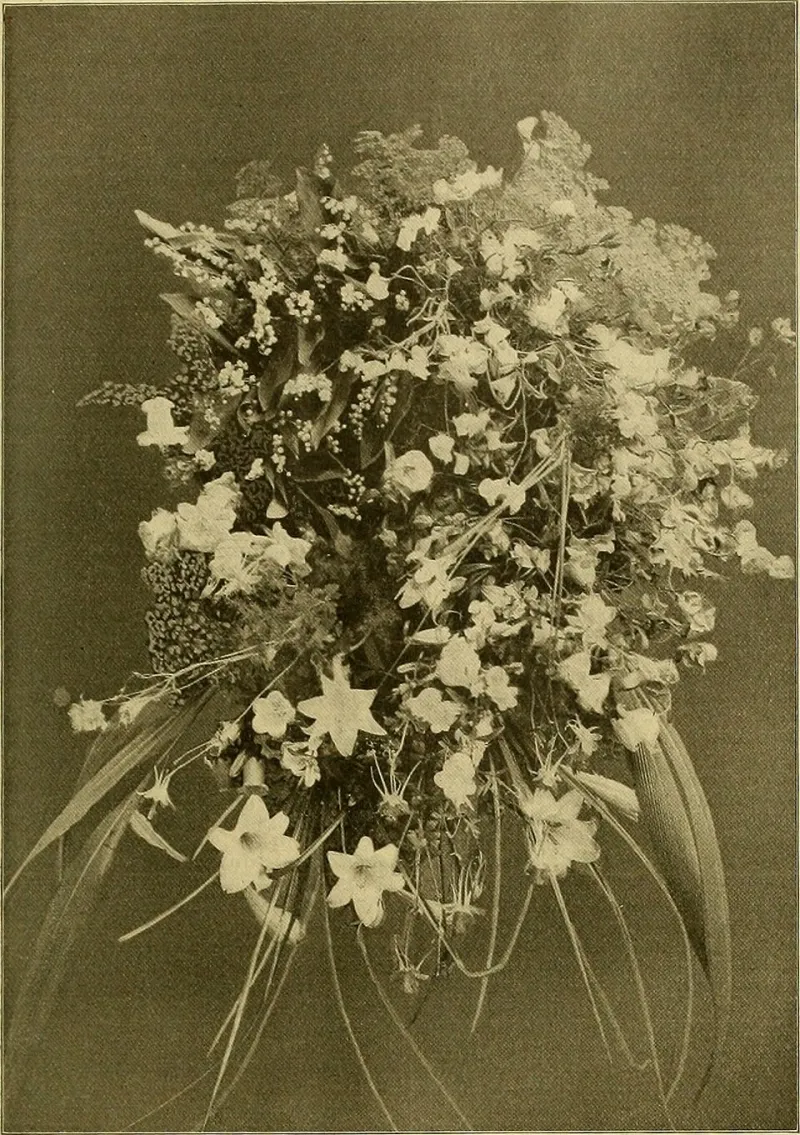
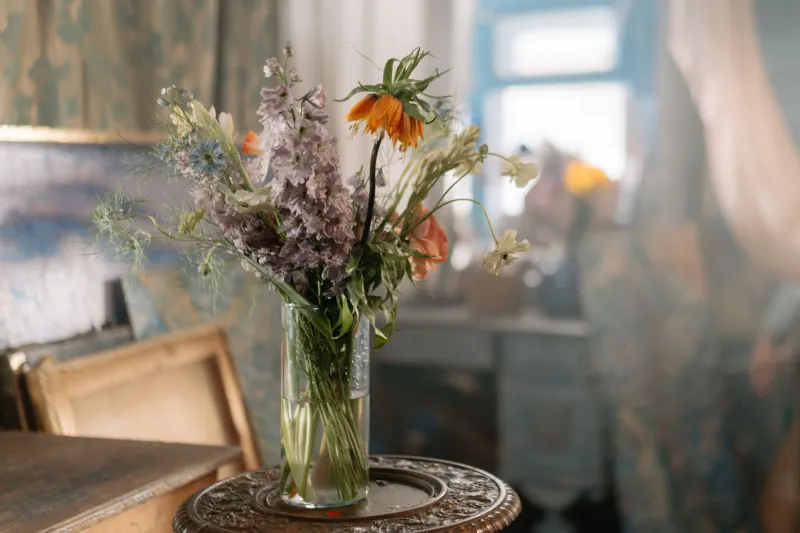
A garden-style posy or a mixed seasonal bunch is easier to like than a rigid, architectural arrangement. It also tends to look at home in whatever jug or vase the recipient already owns. A modest bunch that fits in a jam jar is often more welcome than a towering arrangement that requires a dedicated corner.
Decide on vase or no vase
If you are handing flowers over in person, no vase is usually fine. Most people can find a jug, a jar or a pint glass. If you are sending flowers to an office or a new home, a simple vase can be a kind extra, but only if it is genuinely useful rather than one more thing to carry home.
Here at Florifi, our rule is simple: choose a vase only when it solves a problem. If the flowers will arrive already in water and the recipient has a vase, skip it. If they are moving into a bare flat or receiving at a desk, a small, plain vase can be a quiet bit of practical care.
Flowers to avoid when you are flying blind
Some flowers carry strong messages or practical risks. Nothing here is banned for life, but when you do not know someone, it is sensible to swerve:
- Lilies, because of pollen stains and the fact they are toxic to cats.
- Heavily perfumed flowers such as hyacinths and very strong stocks, especially for offices or small rooms.
- Red roses, unless the occasion is clearly romantic.
- Dyed, painted or glittered stems, which are a matter of taste rather than a universal crowd-pleaser.
- All-white or very formal arrangements for a non-condolence occasion.
- Orchids and other flowers with fussy care routines, unless you know the person enjoys that sort of thing.
- Anything that needs a large, special vase.
Card wording that does the heavy lifting
A short card can make a safe bunch feel personal. Keep it light, specific and free of apology. Good options include:
- For a colleague: A small thank-you for your help this week. No need to do anything except enjoy them.
- For a new neighbour: Welcome to the street. Hope these make the new place feel a bit more like home.
- For an in-law: Lovely to see you. Thought these might brighten the kitchen.
- For a friend-of-a-friend: Lovely to meet you. Hope you enjoy these.
Avoid lines like I had no idea what you would like or Sorry it is not much. They turn a kind gesture into a small apology. You do not need to explain the flowers. You just need to say why you sent them.
If you are still stuck, use this shortcut
Choose a seasonal mixed posy in a soft, warm palette. Keep the scent low to medium. Say no to lilies. Add a short card with one clear reason for sending. Skip the vase unless it is genuinely useful. That is safe in the best sense: not bland, not risky, just thoughtful enough.
Safe is not the same as impersonal
The most thoughtful unknown-taste bouquet is not the blandest one on the shelf. It is the one that removes small risks and leaves room for the recipient to simply enjoy it. A relaxed bunch of British seasonal flowers, chosen with a little care and handed over with a clear, friendly note, says more than a showstopper that creates work. You do not need to know their taste. You just need to choose with theirs in mind.