Reception-Proof Posies: Getting Flowers Safely Into Hospitals, Care Homes and Brand-New Homes
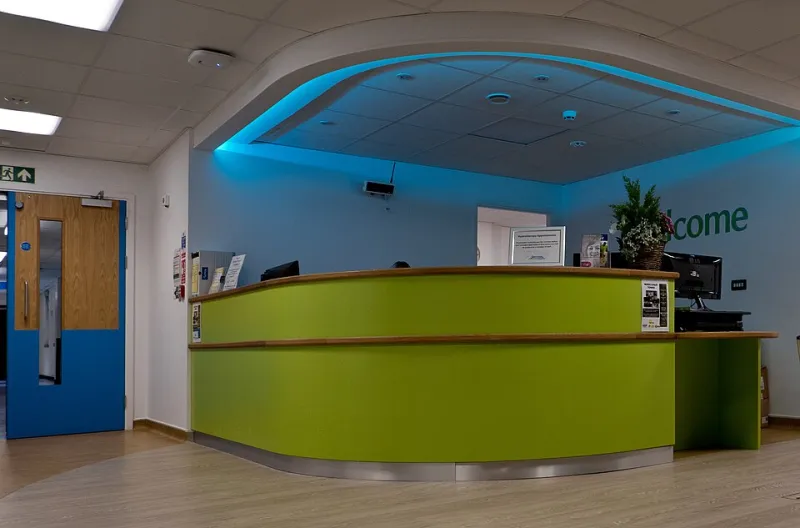
Photo: Roger A Smith , CC BY-SA 2.0, via Wikimedia Commons
Sending flowers to a hospital ward, a care home or a flat someone moved into last Tuesday is not the same as sending them to a house with a familiar front door. The recipient may not be at the address. The building may have its own rules. The reception desk may be the real gatekeeper. And the last thing you want is a beautiful bouquet stuck in a post room while the person it was meant for wonders who forgot their birthday.
Here is a practical, UK-friendly guide to getting the flowers to the right place — and making sure they can actually be enjoyed once they arrive.
Check the building before you fall for the bouquet
Hospitals are the trickiest. Policies vary by NHS trust, by hospital and sometimes by ward. Some wards do not allow flowers at all, often for infection control, space or allergy reasons. Critical care, oncology, respiratory and maternity areas may have stricter rules than a general ward. Lilies are frequently banned because of pollen and scent; soil and potted plants can also be restricted. Before you order, ring the ward or the hospital switchboard and ask three questions: are flowers allowed, where should they be delivered, and is there a vase?
Care homes usually welcome flowers, but they are not a free-for-all. Ask whether the room has space for a vase, whether staff will arrange them, and whether any residents have allergies or dementia-related sensitivities. A care home with shared dining rooms may prefer hand-tied bouquets that staff can pop into a vase quickly. If the resident is in a nursing wing, check whether fresh flowers are permitted at all.
New addresses need a different kind of check. Is there a concierge, a mailroom or a bank of post boxes? Will anyone be in? Is the building still a building site? For a move-in-day delivery, wait until the removal van has gone and the kettle has been found. Flowers arriving before the sofa can feel like one more box to carry. If you cannot be sure someone will be there, consider a tracked delivery to a nearby friend or send them a week after the move with a note that says no reply is needed.
Scent, pollen and the people nearby
A bouquet that smells wonderful in a living room can be overpowering in a shared ward or a small care-home bedroom. Strongly scented flowers such as lilies, hyacinths and some freesias are best avoided for hospitals. Pollen-heavy stamens are messy, and a sneeze in a respiratory ward is not the gift anyone wanted. Softer options include roses, alstroemeria, carnations, chrysanthemums and spray carnations. They are not scent-free, but they are less likely to announce themselves from the corridor.
Allergies matter too. Ask if you can. If you cannot ask, choose a simple, low-scent bouquet and skip the heavily perfumed add-ons. For a new home, scent can be a lovely housewarming touch, but keep it gentle. The recipient may be unpacking in a small flat with the windows painted shut.
Vase or hand-tied? Think about the reception desk
Hand-tied bouquets are easier for staff to handle, but they still need a vase and water. A delivered arrangement in a vase is more useful in a care home or a new flat, provided the vase is allowed and can survive the journey. Hospitals often prefer flowers that can go straight into a ward vase, or they may ask for no vase at all because of storage. If you are sending to a hospital, check first. If you are sending to a care home, a vase is usually welcome, but label it clearly with the recipient's name.
For new addresses, letterbox flowers can be a clever solution if nobody will be home. They arrive flat, fit through the door and can be arranged later. They are not suitable for hospitals or care homes, where someone needs to take them in and condition them. A tracked courier with a named recipient and a phone number is safer for any institution.
Timing is part of the gift
Hospital deliveries should avoid ward rounds, mealtimes and quiet hours. Ask the ward when deliveries are accepted. Do not send flowers on the day someone is due to be discharged; they may be gone before the bouquet arrives. Care homes have activity schedules and medication rounds, so a mid-morning or early-afternoon delivery is often easier. For a new home, avoid the actual move-in day unless you have confirmed someone will be there. A delivery that lands two days after the boxes have been unpacked is often more welcome than one that arrives while the front door is propped open with a paint tin.
Always include a phone number for the recipient or the ward, and a number for yourself. If the courier cannot get in, someone needs to be reachable. A card with the sender's full name helps too. Reception desks deal with a lot of anonymous cellophane.
Write a card that works in the room
Keep the message warm and specific. For a hospital, avoid jokes about illness or lengthy get-well-soon speeches. Something like: Thinking of you — no need to reply. I hope the flowers brighten the ward. For a care home: With love from all of us. I hope these bring a bit of colour to your room. For a new home: Welcome to the neighbourhood. No need to host — just wanted to say hello. If you are sending on behalf of a group, list the names clearly. And if the recipient does not celebrate a particular occasion, leave the occasion off the card.
A quick pre-send checklist
Before you hit order, run through this: Are fresh flowers allowed at the address? Who will receive them? Is there a vase? Is the scent likely to be too much? Is the timing sensible? Have you included a contact number? Is the card message clear and kind? Have you checked allergies or cultural preferences where relevant? If any answer is shaky, ring the building. A two-minute call can save a bouquet from a sad life in a back office.
If flowers are not allowed, do not force it. A plant may be welcome in some places, but soil is often restricted in hospitals. A letterbox bouquet might work at home. A magazine, a nice hand cream, a food delivery or a donation to a hospital charity can all say the same thing. The point is not to send flowers. The point is to send care. Sometimes the care looks like a phone call to reception first.