Spend Smart on Stems: Three UK Flower Budgets, Honestly Compared
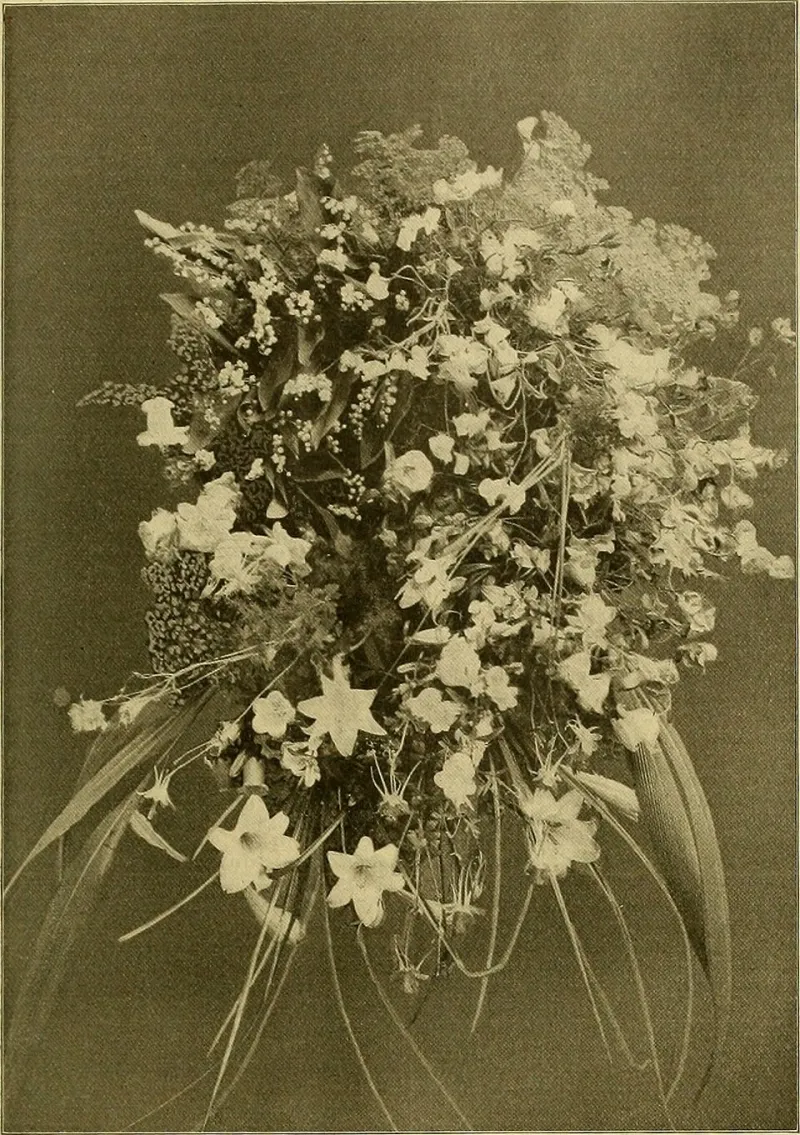
Photo: Internet Archive Book Images, No restrictions, via Wikimedia Commons
There is a particular moment in every flower purchase where you hover between the £15 bucket and the £75 arrangement and wonder what the extra sixty quid is genuinely for. It is a fair question, and most product pages do not answer it.
So we did the slightly obsessive thing. Over a few weeks we ordered at three price points — a supermarket bunch, a local florist hand-tie and a design-led delivery — then counted stems, clocked how long everything lasted and totted up what we had really spent once delivery was added. Here is the honest version.
The £15 bunch: better than its reputation
At this level you are buying hard-working, volume-friendly stems. Expect somewhere between eight and fifteen of them, often with one filler doing a lot of the heavy lifting: chrysanthemums, carnations, alstroemeria, spray roses, and tulips or daffodils when they are cheap and in season.
Good signs: firm green foliage, tight buds that will open over the week, and a mix that includes at least one long-lasting flower. Bad signs: everything already wide open on arrival, bruised petals, or a sleeve so tight the stems have bent.
Vase life is the pleasant surprise here. Trimmed and given fresh water every couple of days, most £15 bunches run seven to nine days, and carnations or chrysanths will happily push past ten. That is genuinely good value — often better per day than a fancier bouquet that sulks after five.
Packaging is where the corners get cut. A cellophane sleeve, an elastic band, sometimes a little water bag. Fine for a kitchen table, less charming as a gift. And this is the price point where delivery fees bite hardest: a £5.95 charge on a £15 order means you have spent £21 on a bunch that was never worth £21. If you are ordering online at this budget, buy two bunches and split the fee, or collect.
Verdict: genuinely good for yourself, for a desk, or for a warm, low-stakes 'thinking of you'. Not the level to aim at if the flowers are the gift.
The £35 bunch: the sweet spot, most of the time
Thirty-five pounds is where a florist's skill starts to show. Typical counts sit around fifteen to twenty-five stems, but the real difference is conditioning: stems cut and rested in water, foliage stripped below the waterline, a proper hand-tie that stands up in a vase without a fight.
Ingredients get more interesting. You will see seasonal British material in the mix when it is available — scented narcissi in late winter, tulips in spring, dahlias and cosmos through late summer, berries and seed heads in autumn — rather than the same imported trio all year round.
Vase life is noticeably longer, usually eight to twelve days, because the flowers have been handled properly before they reach you. Packaging improves too: kraft paper, a ribbon, a card written by an actual human. Many local florists deliver free within a few miles, which quietly makes a £35 bouquet cheaper than a £25 online one once fees land.
Verdict: the most reliable value in UK floristry. You are paying for someone's judgement about what looks good together right now, and that is worth the difference.
The £75 bunch: design, scent and provenance
Here is the thing people get wrong about premium flowers: you are rarely buying more stems. A £75 arrangement might contain thirty stems, or it might contain twelve exceptionally good ones — garden roses, ranunculus, peonies in their short season, trailing amaranthus, branches that need a tall vase.
What you are paying for is design. Proportion, colour, texture, a shape that looks deliberate from every angle. You are also paying for scent, which is expensive because the varieties that smell wonderful often yield fewer stems per plant and travel badly. And you are paying for provenance — British-grown flowers in their natural season, bought from a grower who is not competing on volume.
Extras tend to appear: a proper vase, a hand-written card, timed delivery, a photograph of the finished piece before it leaves the shop. Vase life can be excellent, but only if the flowers are genuinely fresh. Premium pricing does not automatically mean fresher stems — it means better ones, which is not the same thing.
Verdict: worth it for an occasion, a centrepiece or a serious apology. Not worth it as a default weekly habit unless your budget is very comfortable.
The costs nobody puts on the product page
A few things to check before you decide a price point is good value:
- Delivery. Free local delivery versus £6 to £9 nationwide changes everything below £40.
- Substitution policies. Cheap bunches are often substituted freely; good florists tell you in advance what might change.
- Vase and card charges. Some sites add £4 to £8 for a vase that a local shop throws in.
- Timed or Sunday delivery. Usually a premium, occasionally essential.
- Water and packaging. A hand-tied bouquet arrives ready for a vase; a sleeved bunch needs trimming and a container before it looks like anything.
A rough rule of thumb
Spend £15 when the flowers are the gesture rather than the gift, and buy them in person if you can. Spend £35 when you want something that looks considered and lasts long enough to be enjoyed. Spend £75 when the arrangement itself is the point — a birthday centrepiece, a new home, a milestone — and check that the price is buying design and freshness rather than simply more stems in a bigger box.