The Tight-Bud Bouquet: Why UK Deliveries Arrive Closed and How to Open Them Gently
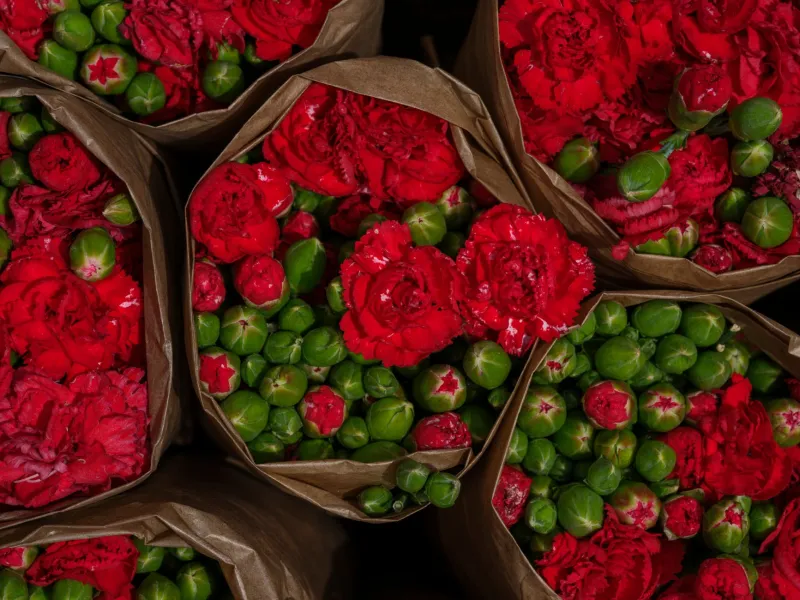
You open the door to a flower box, peel back the paper and find a bouquet that looks more like a hedge than a celebration. The stems are firm, the leaves are green, but the flowers themselves are tight little marbles of colour. Before you reach for the customer service email, take a breath. In most cases, this is not a florist cutting corners. It is a bouquet doing exactly what a fresh bouquet should do: arriving with some living left to do.
Why growers send buds, not full blooms
A fully open flower is beautiful, but it is also fragile. Petals bruise, edges brown and heavy heads flop during transit. Growers and florists therefore cut many stems at a tighter stage so they can travel through courier vans, sorting depots and UK doorsteps without arriving battered. A bouquet that turns up already wide open may look impressive for an hour, but it often has less vase life ahead of it.
The trick is knowing which stems are meant to arrive tight. Tulips, narcissi, ranunculus, peonies, lilies and many chrysanthemums are classic tight-bud travellers. Some open within a day; others need two or three. Roses vary hugely by variety. Alstroemeria often arrives with several buds per stem that open in sequence. A mixed bouquet will rarely open all at once, and that is part of its charm.
Cold transit, warm hallway: the shock of arrival
Flowers spend delivery time in a cool, dark space. That is good for freshness, but it slows everything down. Then they come into a UK home in November 2026 with the central heating humming, the hallway warm and the kettle on. That sudden change can make stems look limp or sulky for a few hours. It is usually transit stress, not a death sentence.
Bring the box inside promptly, especially if it has been sitting on a doorstep in a cold snap. Unwrap the bouquet, remove any tight bands or plastic sleeves and let the stems breathe. Do not park it next to a radiator, wood burner or sunny windowsill while you find a vase. A cool, bright room is better than a hot one.
Water matters too. Much of the UK has hard water, and in busy homes the tap can be surprisingly alkaline. If you live in a limescale-heavy area, filtered water or rainwater is a kinder choice for sensitive stems. Avoid softened water if you can, as the added sodium is not flower-friendly.
The first hour: conditioning that actually helps
Start with a clean vase. Really clean. Bacteria is the quiet enemy of a long-lasting bouquet, and a quick rinse is not always enough. Fill the vase with lukewarm water for most stems, add the flower food sachet and stir it in.
Next, strip off any leaves that would sit below the waterline. Leaves in water rot, and rotting leaves make the whole bouquet decline faster. Then re-cut each stem by two or three centimetres at an angle using a sharp knife or proper secateurs. Blunt scissors crush the water channels, which makes it harder for stems to drink.
Give narcissi and daffodils their own vase for the first few hours if possible. Their sap can affect other flowers, and they are better behaved once they have had a good drink. Keep the bouquet loosely arranged rather than crammed in. Airflow around the stems helps, and a overcrowded vase is more likely to sour.
Coaxing buds open without cooking them
Once the bouquet is conditioned, place it somewhere slightly warm but out of direct sun. Gentle warmth encourages flowers to open. Direct heat does the opposite of a favour: it forces petals open too fast, then shortens their life. Do not put a bouquet on top of a radiator, near an oven or in front of a fire.
For stubborn stems, change the water after 24 hours, re-cut the ends and move the vase to a warmer room. Lukewarm water can help woody stems take up a drink, but hot water is a step too far. A little patience works better than a blast of heat. Peonies and lilies can take a day or two to make their move. Tulips are their own creature: they keep growing in the vase, so a tight bunch will often loosen and lean in a way that is entirely normal.
If you have a dinner or birthday on the calendar, aim to have the flowers delivered a day or two before. That gives the buds time to relax without panic. For a same-day rescue, condition the stems properly, use lukewarm water and keep the vase in a warm room for a few hours. Do not expect a peony to perform on command, though. If the timing is critical, choose stems that open quickly or order an arrangement that is already in bloom.
Healthy or disappointing? A quick bud check
A few tight buds are a good sign, not a flaw. Healthy buds feel firm and plump, often with colour just beginning to show at the tip. Stems should be firm, leaves should be crisp and green, and the water should stay reasonably clear after conditioning.
Be more concerned if stems are slimy, leaves are yellow and mushy, buds are blackened or mould is visible. A bouquet that stays completely hard after three or four days in a warm room, with no sign of colour or loosening, is worth querying with the florist. Outer petals that look slightly bruised on a rose or peony are often protective layers; do not peel them off in a panic.
A little patience, a lot of payoff
A tight-bud bouquet is a promise. It has been cut to travel, packed to survive and sent to open in your home rather than in a van. Give it a clean vase, a fresh cut, the right water and a sensible spot away from radiators and draughts, and most bouquets will relax into themselves within a day or two. The bloom is late, but it is usually on its way.