The Quiet Stems That Do the Heavy Lifting: A UK Guide to Filler Flowers Worth Asking For
Walk into a florist and your eye goes straight to the roses, the peonies, the big seasonal stars. Fair enough. But the stems that decide whether a bunch looks generous or skimped are usually the ones you barely notice: the little sprays, berries and airy bits that hold the whole thing together. In the trade they get called filler. That word does them a disservice. Think of them as supporting stems — the difference between a bouquet that looks like a bunch of flowers and one that looks considered.
At Florifi, we are all for spending smart. A modest budget can still buy something that feels generous if the supporting cast is doing its job. Here are nine unsung stems worth knowing, what they bring to a UK bouquet, and how to ask for them without making it sound like you are trying to cut corners.
1. Waxflower: the scent-and-softness stem
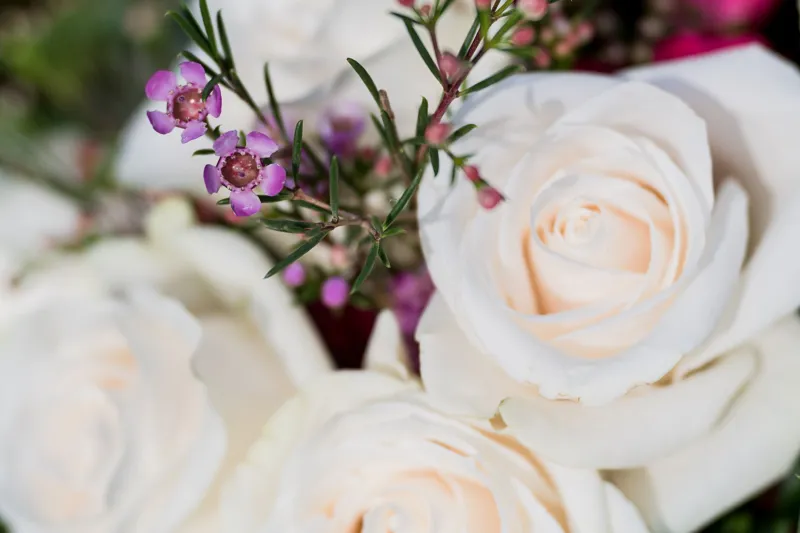
Waxflower is one of those stems that makes a bouquet feel more expensive without adding much to the price. It brings tiny, waxy petals, a soft trailing habit and a gentle lemony scent. It is brilliant for breaking up tight clusters of bigger blooms and stopping a bunch from looking too stiff.
How to ask: say you would like a few stems of waxflower for scent and movement. If you are working to a budget, ask your florist to build the bunch around one or two hero flowers and use waxflower to soften the edges. Most waxflower in UK shops is imported, so it is not a local seasonal buy, but it earns its place. Tired waxflower goes brown at the petal edges and drops tiny bits all over the counter. Give it a miss if the stems look dry and brittle.
2. Spray chrysanthemums: volume without the bulk
A spray chrysanthemum is not one flower on a stem; it is several heads branching off the same stem. That makes it excellent value. It adds colour, fullness and serious vase life, and it can look surprisingly refined when the heads are small and well spaced.
How to ask: ask for spray chrysanthemums rather than large disbudded blooms. In autumn, British-grown spray mums are worth requesting, especially in bronze, cream and deep red. They fit the season without shouting. Tired spray mums show yellowing leaves, brown petal tips, or buds that stay tight and never open. A good spray should have a mix of open flowers and healthy buds, not a row of sulking green knobs.
3. Hypericum: the berry button
Hypericum berries are the punctuation marks of a bouquet. They add contrast, a bit of weight and a lovely dotty texture that breaks up soft petals. Red, peach and green varieties all behave differently, but they share the same talent: making a bunch look more deliberate.
How to ask: ask for hypericum berries in a colour that suits the rest of the bouquet. British hypericum is at its best in late summer and autumn, so it is a good seasonal ask as the year turns. Tired hypericum is easy to spot: shrivelled berries, mould in the cluster, or berries dropping off at a touch. Avoid any bunch where the berries look dull or dusty.
4. Limonium: the hazy one
Limonium, often sold as sea lavender or statice, is the stem that gives a bouquet its airy, meadowy feel. It is papery rather than soft, which means it lasts well and adds movement without bulk. A few stems can make a tight bunch feel looser and more contemporary.
How to ask: ask for limonium or sea lavender for texture. British-grown limonium is a summer treat, but imported stems are available for much of the year. Tired limonium looks crushed, faded or dusty. If the colour has gone flat and the heads are shedding, it will make the whole bouquet look older than it is.
5. Solidago: the golden froth
Solidago is the yellow froth that florists use to warm up a colour palette. It is not a flower you would build a bouquet around, but it is brilliant at filling gaps and adding a soft, golden haze. Used well, it makes a bunch feel sunnier and more generous.
How to ask: ask for solidago as a warm texture stem, not as the main event. British solidago is a late-summer and early-autumn option. Tired solidago drops yellow bits everywhere and can smell musty. If it looks like a limp feather duster, leave it alone.
6. Bupleurum: the green architecture
Bupleurum is the quiet green stem that gives a bouquet height and structure. Its little leaf-like flowers sit in flat, starry clusters, and its colour is a cool, slightly grey green that makes brighter flowers look more expensive. It is excellent for people who want a bouquet that feels natural rather than formal.
How to ask: ask for bupleurum for foliage interest and height. British bupleurum is usually at its best in summer and early autumn. Tired bupleurum has limp stems and yellowing leaves. If it is drooping in the bucket, it will droop in the vase.
7. Sedum: the autumn texture
Sedum is one of the great autumn fillers. Its clusters of tiny flowers start green and fade through pink to russet, which makes it perfect for seasonal bouquets that do not rely on the usual orange pumpkins and cinnamon sticks. It adds texture and a lovely, dusky softness.
How to ask: ask for sedum in autumn if you want a bouquet that feels of the moment. British-grown sedum is a good seasonal request. Tired sedum turns to brown mush and drops its tiny flowers at a glance. Check that the clusters are firm and the stems are clean.
8. Astrantia: the starry accent
Astrantia is not the cheapest stem on this list, but a little goes a long way. Its papery, star-shaped flowers look like tiny fireworks and add a refined, cottage-garden detail. It is the sort of stem that makes people ask what it is, which is always a good sign.
How to ask: ask for astrantia as a textural accent rather than a bulk filler. British astrantia is a summer favourite. Tired astrantia droops, browns at the tips, or loses its papery centres. If the stems are soft and the heads are nodding, it is past its best.
9. Eucalyptus: the scent and shape
Eucalyptus is technically foliage, not a flower, but it does the same job as the best fillers. It adds silvery green colour, a clean scent and a lovely arching shape. A few stems can make a small bouquet feel taller and more elegant.
How to ask: ask for eucalyptus for shape and scent, and mention if you want a softer, smaller-leaved variety. Some eucalyptus is British grown, though much is imported. Tired eucalyptus goes dry and brittle, with black spots or a dusty finish. It should look fresh and slightly pliable, not like something from a dried-flower display.
How to ask without sounding like you are cutting corners
The trick is to talk about texture, movement and seasonality rather than cheapness. Instead of saying you want filler to keep the cost down, say you would like a bouquet built with good supporting stems. Ask what is looking good that week. Ask for a mix of shapes: something spiky, something round, something airy. Give your florist a budget and let them choose the balance. A good florist will not be offended by a modest spend; they will be offended by a bouquet that looks like an afterthought.
What tired filler looks like
Tired filler is the fastest way to make a bouquet look cheap. Look for limp stems, yellowing leaves, brown petal edges, dropped petals, mouldy berries, slimy stems or smelly water. Avoid bunches where every stem is the same texture and height. A good bouquet needs contrast. If the filler is all one note, the whole thing will look flat.
Making a modest spend feel considered
One hero flower, three or four supporting stems and a bit of seasonal British texture will usually look better than a tightly packed bunch of expensive blooms with tired greenery. Ask for waxflower for scent, hypericum for contrast, bupleurum for height, or sedum for autumn character. Use the seasons where you can: British spray mums, hypericum and sedum in autumn; astrantia, bupleurum, limonium and solidago in summer. That is not cutting corners. That is buying well.